±0.1mm
Precision Tolerance
35+ Years
On The Gold Coast
Full Range
Perspex, HDPE & More
Australia-Wide
Fast Delivery
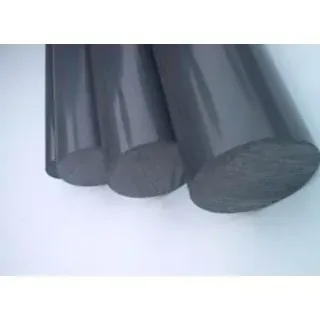
Trade Names: Poly Vinyl Chloride. Rigid PVC has excellent chemical and mechanical properties with remarkable anti-corrosive characteristics. Holland Plastics is a leading Australian supplier of PVC sheet and rod on the Gold Coast, cut to size while you wait and freighted Australia-wide to Brisbane, Sydney, Melbourne, Adelaide and Perth. No minimum order — from one-off machined parts through to full chemical tank fabrications.
PVC is one of the most chemically resistant plastics available at a moderate cost. It is self-extinguishing, electrically insulating, and can be welded, machined, and fabricated into tanks, ducting, and chemical handling equipment. PVC is the material of choice for corrosive environments in chemical processing and water treatment plants.
⚙Technical Specifications
Quick Facts
- ✓ Over 35 years experience
- ✓ No minimum order
- ✓ Fast turnaround
- ✓ Australia-wide delivery
Applications
Available Sizes
| Form | Sizes | Colours |
|---|---|---|
| Sheet | 1, 2, 3, 4.5, 6, 10, 12, 15, 20, 25, 30, 40, 50mm — 2000 x 1000mm or 3000 x 1500mm | Grey, Clear, White |
| Rod | 6–100mm diameter, 2m lengths | Light grey |
Fabrication & Processing
PVC can be hot air welded, solvent bonded, CNC machined, saw cut, and thermoformed. It is widely used in custom tank fabrication where chemical resistance is paramount.
Frequently Asked Questions
What chemicals is PVC resistant to?+
Can PVC be used for drinking water?+
What is the difference between PVC and CPVC?+
Get a Quote on PVC Sheet & Rod
Send us your specs, drawings or rough idea — our Gold Coast workshop will reply within one business day.
Ready to Get Started?
Get a free, no-obligation quote on PVC Sheet & Rod from single pieces to full production runs.