
±0.1mm
Precision Tolerance
35+ Years
On The Gold Coast
Full Range
Perspex, HDPE & More
Australia-Wide
Fast Delivery
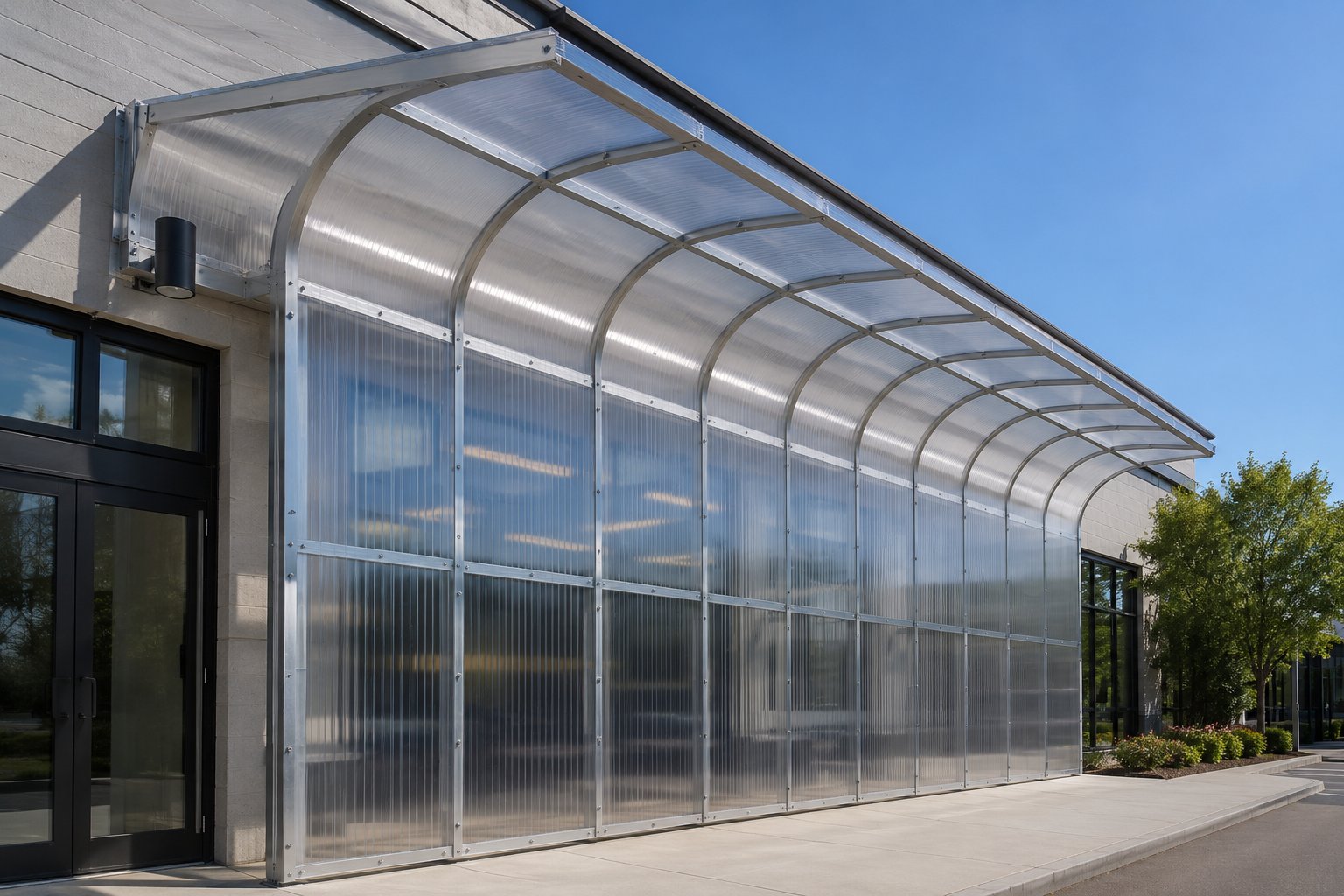
Trade names: Lexan, Hyzod, Safeguard. Polycarbonate exhibits excellent impact strength — up to 250 times stronger than glass (30 times more than acrylic). Typical sheet applications include architectural glazing, machine guards, sight glasses.
Polycarbonate is the go-to material when impact resistance is the primary concern. It is virtually unbreakable under normal conditions, making it ideal for safety glazing, vandal-resistant screens, and industrial guards where failure is not an option.
⚙Technical Specifications
Quick Facts
- ✓ Over 35 years experience
- ✓ No minimum order
- ✓ Fast turnaround
- ✓ Australia-wide delivery
Applications
Available Sizes
| Thickness | Sheet Size | Colours |
|---|---|---|
| 2mm | 2440 x 1220mm | Clear, Opal, Grey Tint |
| 3mm | 2440 x 1220mm | Clear, Opal |
| 4.5mm | 2440 x 1220mm | Clear |
| 6mm | 2440 x 1220mm | Clear |
| 8mm | 2440 x 1220mm | Clear |
| 10mm | 2440 x 1220mm | Clear |
| 12mm | 2440 x 1220mm | Clear |
Fabrication & Processing
Polycarbonate can be saw cut, CNC routed, drilled, and cold bent. It thermoforms well at 180–200°C and can be hot-line bent. Note: polycarbonate is sensitive to stress cracking from solvents — avoid solvent-based adhesives near stress points.
Polycarbonate vs Acrylic
| Property | Polycarbonate | Acrylic |
|---|---|---|
| Impact Strength | 250× glass | 17× glass |
| Light Transmission | 82–86% | 92% |
| Scratch Resistance | Lower | Higher |
| Max Service Temp | 125°C | 80°C |
| UV Resistance | Good (coated) | Excellent (inherent) |
| Cost | $$ | $ |
Frequently Asked Questions
Is polycarbonate bulletproof?+
Will polycarbonate yellow over time?+
Can I use solvent cement on polycarbonate?+
Get a Quote on Polycarbonate
Send us your specs, drawings or rough idea — our Gold Coast workshop will reply within one business day.
Ready to Get Started?
Get a free, no-obligation quote on Polycarbonate from single pieces to full production runs.